Reward Systems Inspired by Probability
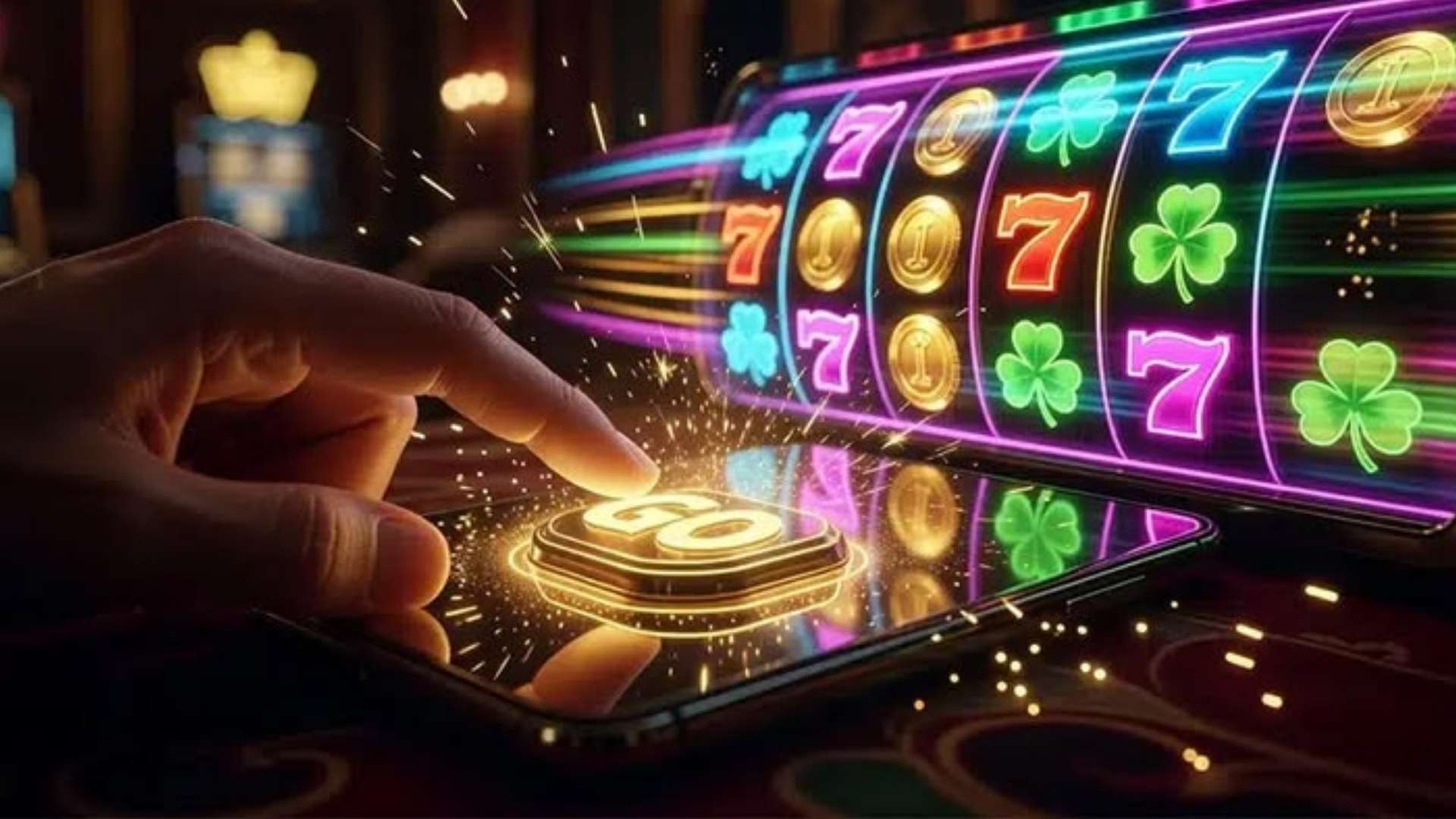
Modern game developers and behavioral designers frequently look to mathematics to create engaging user experiences. By incorporating probability theory into reward structures, digital environments can simulate the excitement of unpredictable outcomes. This approach taps into human psychology, turning routine digital interactions into deeply captivating journeys.
The Mathematical Foundation of Uncertainty
Probability distributions serve as the underlying framework for modern reward mechanics in various applications. Designers utilize complex algorithms to determine the exact likelihood of specific outcomes, ensuring a balanced economy. This mathematical approach helps maintain player interest by offering a diverse spectrum of possibilities.
When outcomes are entirely predictable, users tend to lose interest over extended periods. Introducing statistical randomness ensures that every session offers a fresh experience filled with potential discovery. Consequently, software architects spend considerable time calibrating these ratios to optimize user satisfaction.
Psychological Drives and Random Distribution
The human brain responds uniquely to variable reinforcement schedules compared to fixed rewards. Unpredictable incentives stimulate high levels of engagement, as anticipation triggers specific neurological responses. This phenomenon explains why chance-based systems are highly effective at sustaining long-term user habits.
To safely explore how probabilistic systems function, users frequently seek trusted platforms to experience these mathematical models firsthand. Enthusiasts can access the M88.com login portal to examine these dynamic principles within secure digital settings. Observing how probability operates in real time helps individuals better understand the balance between risk and reward.
Designing Fair and Balanced Mechanics
Ensuring transparency in probability-driven systems is essential for maintaining long-term community trust. Modern applications often publish their exact distribution curves so that participants understand their realistic chances. This transparency prevents frustration and promotes a healthier relationship between platforms and their audiences.
A well-balanced system prevents valuable rewards from becoming too common, which would diminish their overall worth. Conversely, if the odds are excessively low, participants may become discouraged and abandon the platform entirely. Achieving the perfect equilibrium requires continuous data analysis and iterative adjustments.
The Future of Algorithmic Rewards
As technological capabilities expand, the integration of probability into user design continues to mature. Machine learning models may soon adjust reward distributions dynamically based on individual behavioral patterns. This evolution promises to deliver highly customized experiences tailored to diverse player preferences.
Ultimately, probability-based reward structures will remain a cornerstone of interactive digital design. By blending mathematical precision with human psychology, creators can build sustainable engagement loops that stand the test of time. The ongoing refinement of these algorithms ensures that future virtual experiences remain both thrilling and fair.